Home » Multifocal Cataract Surgery – Lens Replacement
Home »
Multifocal Cataract Surgery – Lens Replacement
Written and edited by the Smart Laser Eye Center Editorial Staff · Medically reviewed by Prof. Dr. Fevzi Senturk, MD and Prof. Dr. Levent Alimgil, MD · Last updated: 10 September 2026
This page provides comprehensive information about Multifocal Cataract Surgery.
Multifocal Cataract Surgery with Bi-Focal or Edof Lenses
What Are Multifocal and EDOF Smart Lenses in Modern Eye Surgery? Generally, performing Multifocal Cataract Surgery requires sophisticated prosthetic devices that surgeons place directly inside your eye. Specifically, these advanced intraocular implants allow you to see near and far distances clearly without relying on glasses. Furthermore, premium ophthalmic clinics now widely utilize cutting-edge EDOF (Extended Depth of Focus) lens technology alongside this procedure. Consequently, EDOF lenses provide an exceptionally smooth, continuous range of high-quality vision from distance to intermediate ranges. Therefore, choosing Multifocal Cataract Surgery successfully treats both your ametropia and age-related presbyopia conditions simultaneously.
Who Benefits Most From Multifocal and EDOF Lens Replacements?
Generally, our medical team typically prefers these multidimensional lenses for patients over forty-five years old. Specifically, EDOF lenses offer an ideal solution for individuals who use computers frequently or drive at night. Fortunately, EDOF technology significantly minimizes visual side effects like halos or glare compared to traditional multifocal options. Additionally, both lens types provide an excellent alternative for patients with refractive errors too high for laser surgery. Ultimately, our experienced surgeons determine the most compatible lens model based on your unique lifestyle needs.
How Does Progressive Cataract Disease Affect Your Visual Clarity?
Generally, advancing cataract grades cause severe, age-related vision loss at all levels after the age of sixty. Fortunately, our specialized eye surgeons can safely replace your cloudy natural lens with a clear artificial implant. Initially, you must undergo a comprehensive diagnostic scan to ensure a completely accurate and careful clinical decision. Specifically, placing the wrong lens type on unsuitable eyes can cause permanent, highly frustrating side effects. Consequently, patients might experience continuous poor vision, distracting light flashes, or severe night glare after surgery.
Why Do Myopic and Hyperopic Patients Need Custom Lens Selection?
Specifically, myopic patients without active cataract problems must remain extremely cautious before choosing multifocal or trifocal options. Conversely, individuals with severe hyperopia typically achieve much higher satisfaction levels from advanced trifocal lens replacements. Therefore, our highly experienced ophthalmic team will provide the most accurate scientific information after your scan. Fortunately, modern cataract surgery represents a relatively easy, comfortable, and straightforward outpatient treatment process. Subsequently, our surgeons utilize advanced Phaco technology to perform these common vision correction procedures exceptionally safely.
How Do Surgeons Choose the Perfect Prosthetic Lens for Your Eye?
Generally, numerous global manufacturers offer a wide selection of prosthetic lenses for modern cataract surgery. Specifically, our expert eye surgeons thoroughly research all active lens options to find the absolute best fit. Additionally, the original country of manufacture does not represent a primary priority during this selection process. Instead, our medical team focuses entirely on identifying the most suitable technological design for your unique anatomy. Fortunately, our specialized clinic offers various premium alternatives from different global medical brands to protect you.
Our Absolute Commitment to Fixed Costs and Transparent Care
Naturally, finding a medical team you can completely trust might feel slightly overwhelming at first. Therefore, we strongly advise all patients to take their time and thoroughly research their clinical options. Importantly, our hospitals strictly do not sell intraocular lenses directly to patients inside our medical facilities. Consequently, this non-commercial infrastructure allows us to offer completely transparent, fair, and fixed surgical costs. Ultimately, our primary commitment is that you receive the most ideal, high-quality lens for your eyes.
Book Your Cataract Consultation Today
Fortunately, scheduling your diagnostic appointment at Smart Laser Eye Center represents an exceptionally easy and fast process. Initially, our medical experts will carefully analyze your structural suitability for a customized lens replacement procedure. Subsequently, if lens replacement does not match your specific lifestyle, our doctors will offer alternative solutions. Therefore, you can comfortably get immediate, clear answers to all your important ocular questions. Ultimately, you can contact our dedicated patient support team directly to start your journey toward clear vision.
How RLES AI supports multifocal lens planning
Our clinic uses RLES AI®, a clinical decision support system for refractive and lens surgery planning, as a second pass over the assessment before a multifocal lens is offered. The reason this matters more here than with a single-focus lens is simple: a multifocal lens does not create light, it divides it between two or more focal points. Every condition that reduces the quality of light reaching the retina therefore costs more in a multifocal eye than in a monofocal one.
The trade-off is real and it is measurable
In the largest systematic comparison available — 20 randomised trials, 2,061 patients — multifocal lenses improved near vision and reduced spectacle dependence, but adverse night-vision phenomena were clearly more common: the relative risk of glare was 1.41 and the relative risk of haloes 3.58 compared with a monofocal lens. Distance vision was no better than with a monofocal lens. The authors’ own conclusion is the honest one: whether the gain outweighs these effects varies from person to person, and motivation to be free of glasses is usually the deciding factor.
de Silva SR, Evans JR, Kirthi V, et al. Cochrane Database Syst Rev. 2016;12:CD003169. doi:10.1002/14651858.CD003169.pub4
For this reason the assessment is not only about whether the eye is suitable, but about whether the expectation is suitable. The software prints the candidacy items and the known trade-off side by side so the conversation happens before surgery, not at the first postoperative check.
The macula is examined before a multifocal lens is promised
An eye whose macula is not healthy cannot make good use of divided light, so the retina has to be assessed before the lens type is chosen. A normal fundus examination is not sufficient evidence on its own: in a series of 401 eyes scanned with spectral-domain OCT before cataract surgery, 107 eyes (26.7 per cent) had an abnormal macular scan and 70 of those eyes had been judged normal on fundus examination. In the same series 14.2 per cent had an abnormal retinal nerve fibre layer, and 30 per cent of those had neither a history of glaucoma nor any anomaly visible on fundus examination.
Abdelmassih Y, El-Khoury S, Georges S, et al. J Cataract Refract Surg. 2018;44(5):610-614. doi:10.1016/j.jcrs.2018.02.020
Where the macular scan has not been obtained, the report records it as not reported rather than assuming the retina is normal.
Pupil, astigmatism and corneal regularity
- Pupil size in dim light — the diffractive rings sit at fixed diameters, so a large scotopic pupil changes how much light lands on each focus and increases halo perception. The measured value is written into the report rather than assumed.
- Residual astigmatism — a multifocal lens tolerates uncorrected astigmatism poorly, because blur is added on top of a divided image. Corneal astigmatism is compared with the spectacle figure as a vector; where they disagree, correcting the full spectacle value would leave a residual error rather than remove one, and a toric multifocal plan is discussed with its axis recorded.
- Corneal regularity — an irregular or previously ablated cornea already spreads light; adding a diffractive lens to it compounds the problem. Ectasia and contact-lens-induced surface change are screened before the lens type is settled, and where the surface is unstable the plan is not finalised on those measurements.
- Ocular surface — untreated dry eye distorts the keratometry the lens power is calculated from and worsens the symptoms a multifocal patient notices most. The surface is treated first and the biometry repeated.
Neuroadaptation is part of the plan, not an afterthought
Adaptation to divided vision takes time and is not the same for everyone. The report states this explicitly and records that it was discussed, because the most common reason for dissatisfaction with a technically successful multifocal implantation is an expectation that was never set.
Where this leaves the decision
The decision is your surgeon’s. What the system adds is a record that every one of these items was asked, and anything not measured is named as not reported. The software does not make a diagnosis, does not select the lens and does not guarantee spectacle independence. Detailed information: rlesai.com.
Useful Links:
Phakic Intraocular ICL Lens Surgery.
Our Experienced Eye Surgeons. Phakic intraocular ICL Lens Surgery. Vitrectomy Surgery. Cataract Surgery Medical Description Wiki. Cataract and Lens Replacement Eye Surgeries. Keratoconus Cross-Linking Surgery. Blepharoplasty Aesthetic Surgeries. Dry Eye Syndrome Treatments. Periodic Eye Examinations.
What Are the Most Frequently Asked Questions About Multifocal Cataract Surgery?
What Is a Cataract and How Does It Affect Vision?
Q: What Is a Cataract and How Does It Affect Vision?
A: Generally, a cataract represents a common age-related eye condition that gradually clouds your natural crystalline lens. Specifically, microscopic proteins inside your eye lens break down and clump together over time. Consequently, this progressive structural clustering blocks light from reaching your retina clearly. Therefore, patients experience a slow, painless decline in their overall visual clarity during daily activities.
Fortunately, modern ophthalmic advancements allow our specialized surgeons to treat this degenerative disease very effectively. Initially, you might notice faded colors, poor night vision, and frequent prescription glass changes. Subsequently, our medical team can easily restore your sharp vision through a quick outpatient procedure. Ultimately, we perform highly precise diagnostic eye screenings completely free of charge to safeguard your ocular health.
What Are the Most Common Symptoms of Cataracts?
Q: What Are the Most Common Symptoms of Cataracts?
A: Generally, cataracts develop very slowly and do not cause any sudden physical pain or redness. Specifically, you will initially notice a gradual decrease in your overall visual clarity during daily tasks. Consequently, your surrounding environment begins to appear increasingly blurry, misty, or slightly cloudy over time. Therefore, performing routine activities like reading fine print or driving safely becomes significantly more challenging.
Additionally, many patients experience a noticeable increase in night blindness and severe glare sensitivity. Specifically, oncoming car headlights or bright streetlamps can create highly distracting halos around light sources. Furthermore, you might frequently change your prescription glasses without achieving any permanent improvement in vision. Ultimately, our specialized surgeons perform comprehensive diagnostic eye screenings completely free of charge to evaluate these symptoms.
At What Age Can You Safely Undergo Multifocal Cataract Surgery?
Q: At What Age Can You Safely Undergo Multifocal Cataract Surgery?
A: Generally, eye specialists do not define eligibility for cataract surgery based on a strict biological age requirement. Specifically, our medical team evaluates how severely the lens clouding impacts your daily lifestyle and visual clarity. Consequently, most patients undergo this highly effective procedure after the age of sixty due to natural aging. Fortunately, younger individuals can also safely qualify for the surgery if they develop secondary or traumatic cataracts.
Therefore, your personal visual safety and functional independence determine the absolute best timing for the procedure. Additionally, delaying the treatment unnecessarily can make the advanced cataract harder and slightly more difficult to remove. Subsequently, modern micro-incisional techniques allow our surgeons to restore your crystal-clear vision at almost any adult age. Ultimately, our clinic provides a comprehensive eye screening completely free of charge to analyze your exact structural eligibility.
Who Is an Ideal Candidate for Multifocal Cataract Surgery?
Q: Who Is an Ideal Candidate for Multifocal Cataract Surgery?
A: Generally, any adult candidate who experiences a significant lifestyle disruption from lens clouding can undergo this procedure. Specifically, you qualify for surgery when blurry vision interferes with essential daily tasks like driving or reading. Additionally, your eye must be free from active, untreated ocular infections to ensure a safe surgical environment. Fortunately, patients with controlled diabetes or controlled hypertension can usually be treated, provided the systemic condition is stable and documented before surgery.
Therefore, overall ocular health and functional vision loss determine your actual eligibility rather than strict age limits. Consequently, individuals suffering from severe glare or poor night vision make excellent candidates for this advanced treatment. Subsequently, our expert eye surgeons use premium intraocular lenses to restore your sharp distance and reading vision. Ultimately, our clinic provides a comprehensive diagnostic eye screening completely free of charge to confirm your ideal candidacy.
When Can You Return to Your Normal Routine After Multifocal Cataract Surgery?
Q: When Can You Return to Your Normal Routine After Multifocal Cataract Surgery?
A: Generally, most patients return to their normal daily life within just a few days following the procedure. Specifically, you can safely enjoy light activities like reading, watching television, or walking on the very next day. Fortunately, our modern micro-incisional techniques allow your delicate corneal surface to seal and heal exceptionally fast. Subsequently, your operating surgeon will securely remove your protective eye shield during your first post-operative follow-up appointment.
Therefore, you can comfortably resume light office work within forty-eight hours if your vision feels clear. However, you must actively avoid heavy lifting and strenuous physical exercise for at least two weeks. Consequently, this careful precaution completely prevents any accidental pressure build-up inside your healing eye structure. Ultimately, our medical team provides a detailed customized recovery timeline during your free pre-operative diagnostic screening.
When Can You Safely Return to Work After Multifocal Cataract Surgery?
Q: When Can You Safely Return to Work After Multifocal Cataract Surgery?
A: Generally, most patients can safely return to their workplace within two to three days after the procedure. Specifically, you can comfortably resume low-impact desk jobs or remote office work almost immediately if vision feels clear. Fortunately, our modern surgical techniques aim for a rapid physical recovery; how quickly you heal varies from patient to patient. Subsequently, your operating surgeon will explicitly evaluate your occupational environment during your initial post-operative follow-up exam.
Therefore, individuals working in dusty, demanding, or physically strenuous settings must wait at least two weeks. Consequently, this vital rest period successfully protects your healing corneal incisions from dangerous airborne particles or accidental trauma. Additionally, your medical team will prescribe custom protective eyewear to shield your eyes during your daily commute. Ultimately, you are given a written, individual recovery timeline, so that your return to work is planned rather than guessed.
How Can You Easily Book a Cataract Surgery Consultation?
Expert Consultation
Generally, our modern medical center provides a highly streamlined process to schedule your appointment quickly. Specifically, you can initiate your booking immediately by filling out our user-friendly online contact form. Additionally, our dedicated patient coordination team stands ready to assist you directly through our active WhatsApp support line. Fortunately, you can complete this entire booking process from the comfort of your home in just two minutes.
Therefore, securing your preferred diagnostic slot requires absolutely zero complicated paperwork or stressful clinic lines. Consequently, our patient consultants will quickly contact you to confirm the most convenient date and time. Subsequently, our experienced eye surgeons will perform your comprehensive diagnostic screenings completely free of charge. Ultimately, our aim is a clear, well-organised pathway; the visual result itself depends on your own measurements and is discussed with you beforehand.
How Does Modern Cataract Surgery Work Step-by-Step?
Q: How Does Modern Cataract Surgery Work Step-by-Step?
A: Generally, modern cataract surgery utilizes an advanced, minimally invasive outpatient method called Phacoemulsification. Initially, your operating surgeon applies specialized numbing eye drops to ensure a completely pain-free surgical experience. Subsequently, the medical team creates a microscopic incision on the surface of your numbing cornea. Fortunately, this high-precision micro-incision measures less than three millimeters and requires absolutely zero physical stitches to heal.
Therefore, the surgeon can safely access the cloudy natural lens inside your eye structure immediately. Specifically, an advanced ultrasound device delivers high-frequency sound waves to break the hard cataract into tiny pieces. Consequently, the automated surgical system gently vacuums these microscopic lens fragments out of your eye safely. Ultimately, our specialized doctor implants a premium, crystal-clear synthetic intraocular lens to permanently restore your sharp vision.
Will You Feel the Synthetic Intraocular Lens Inside Your Eye?
Q: Will You Feel the Synthetic Intraocular Lens Inside Your Eye?
A: Generally, you will absolutely never feel or sense the synthetic intraocular lens inside your eye after surgery. Specifically, our specialized surgeons place this microscopic implant completely behind your iris, where your natural lens originally sat. Additionally, the advanced bio-compatible materials naturally integrate with your internal eye tissues without causing any physical friction. Fortunately, this high-tech prosthetic device remains completely invisible to you and does not trigger any nerve sensations.
Therefore, your body accepts the premium lens implant as a natural, permanent part of your optical anatomy. Consequently, you can safely blink, rub your eyes gently, and sleep comfortably without any awareness of the device. Subsequently, the customized implant continuously provides sharp, effortless visual clarity for the rest of your life. Ultimately, these materials are chosen to keep the recovery as comfortable as possible; what you feel in the first days still varies from patient to patient.
Can Cataracts Spread From One Eye to the Other?
Q: Can Cataracts Spread From One Eye to the Other?
A: Generally, cataracts are entirely non-contagious ocular conditions that cannot spread from one eye to the other. Specifically, this degenerative disease develops due to localized protein clumping inside each individual eye lens independently. Consequently, a cataract in your left eye can never physically infect or damage your right eye structure. Therefore, you do not need to worry about any cross-contamination or direct cellular spread between your eyes.
However, natural aging processes typically affect both of your eyes at a highly similar biological pace. Subsequently, most patients eventually notice cataract development in their second eye within a few months or years. Fortunately, our experienced eye surgeons can effectively treat both eyes safely through separate, highly precise outpatient procedures. Ultimately, our specialized clinic provides comprehensive diagnostic eye screenings completely free of charge to monitor your bilateral visual health.
How Long Does Modern Cataract Surgery Take From Start to Finish?
Q: How Long Does Modern Cataract Surgery Take From Start to Finish?
A: Generally, modern cataract surgery represents an exceptionally quick, highly efficient, and streamlined outpatient medical procedure. Specifically, our experienced eye surgeons typically complete the actual laser or ultrasound treatment in ten to fifteen minutes. Fortunately, these advanced micro-incisional techniques dramatically reduce the overall time you spend inside the operating room. Subsequently, our medical team transfers you directly to a comfortable recovery lounge for a brief resting period.
Therefore, the entire clinic visit usually lasts only about ninety minutes, including your essential pre-operative preparation. Consequently, you can safely return home on the exact same day to continue your healing process comfortably. Additionally, our specialized doctors carefully evaluate your progress during your mandatory next-day post-operative follow-up appointment. Ultimately, the procedure itself is short and most patients notice a change in vision within the first day, though the speed of recovery differs between individuals.
Is a Laser Used to Remove Cataracts in Modern Eye Surgery?
Q: Is a Laser Used to Remove Cataracts in Modern Eye Surgery?
A: Generally, modern eye clinics utilize two distinct high-precision methods to remove cataracts from your eye safely. Initially, traditional cataract surgery relies on an advanced ultrasound device to break up the cloudy natural lens. However, premium ophthalmic centers now perform Femtosecond Laser-Assisted Cataract Surgery to deliver maximum surgical precision. Fortunately, this state-of-the-art laser technology automates the most critical structural steps of your vision correction procedure.
Therefore, the computer-guided laser creates perfect corneal incisions and pre-softens the hard cataract in seconds. Specifically, this automated approach significantly reduces the amount of ultrasound energy needed inside your delicate eye cavity. Consequently, patients experience a much gentler surgical treatment with drastically reduced risks of post-operative corneal swelling. Ultimately, our experienced surgeons select the absolute best technological combination to restore your crystal-clear vision safely.
Is Modern Cataract Surgery Painful During or After the Procedure?
Q: Is Modern Cataract Surgery Painful During or After the Procedure?
A: Generally, modern cataract surgery represents a completely pain-free outpatient procedure for the vast majority of patients. Initially, your operating eye surgeon applies highly effective local anesthetic drops directly onto your corneal surface. Consequently, these specialized medical drops completely numb your entire eye structure within a few short minutes. Fortunately, you will remain awake and perfectly comfortable throughout the quick ten-minute vision correction treatment.
Therefore, most individuals report feeling only a very mild, non-painful sensation of pressure during the process. Subsequently, your dedicated medical team provides comprehensive post-operative guidance and custom protective eyewear for your journey home. Additionally, mild over-the-counter pain relievers can easily manage any temporary scratchiness during the initial recovery day. Ultimately, our surgeons use minimally invasive techniques with the aim of keeping the procedure as gentle as possible.
Can You Undergo Multifocal Cataract Surgery on Both Eyes at the Same Time?
Q: Can You Undergo Multifocal Cataract Surgery on Both Eyes at the Same Time?
A: Generally, most specialized eye surgeons prefer to operate on one eye at a time during separate appointments. Specifically, our medical team typically schedules your second vision correction procedure two to three days after the first. Consequently, this prudent waiting period allows your first healing eye to recover its functional visual acuity safely. Therefore, your doctor can accurately evaluate the initial surgical outcome before proceeding with your second eye treatment.
However, modern clinics can perform bilateral simultaneous cataract surgery under highly specific medical circumstances. Specifically, this immediate dual approach benefits individuals who travel long international distances or require general anesthesia. Fortunately, strict infection-control protocols are applied and the two eyes are handled as separate procedures with separate sterile sets. Ultimately, our clinic provides a comprehensive diagnostic eye screening completely free of charge to determine your exact eligibility.
When Can You Safely Resume Driving After Multifocal Cataract Surgery?
Q: When Can You Safely Resume Driving After Multifocal Cataract Surgery?
A: Generally, most patients can safely resume driving within twenty-four to forty-eight hours after the procedure. Initially, you must strictly avoid operating any motor vehicle on the exact day of your eye surgery. Specifically, the long-lasting effects of surgical sedatives and dilating eye drops will temporarily impair your visual reflexes. Therefore, you must arrange for a family member or a trusted friend to drive you home safely.
Subsequently, your operating surgeon will carefully measure your legal visual acuity during your mandatory next-day check-up. Fortunately, once your healing eye meets the standard legal driving requirements, your doctor will officially grant permission. However, you should temporarily avoid long nighttime road trips until your eyes adapt fully to the new lens. Ultimately, you are given a written recovery timeline, and you should not drive until your surgeon confirms that your vision meets the legal standard.
What Are the Potential Complications and Risks of Cataract Surgery?
Q: What Are the Potential Complications and Risks of Cataract Surgery?
A: Generally, modern cataract surgery maintains an exceptionally high success rate and a remarkably low risk profile. Specifically, serious surgical complications affect fewer than two percent of all patients undergoing the procedure. However, prospective candidates must carefully understand potential risks before scheduling their vision correction treatment. Consequently, minor temporary issues like mild corneal swelling, dry eye sensations, or slight bruising can occur.
Additionally, extremely rare but significant risks include internal eye infections, retinal detachment, or severe bleeding. Fortunately, our experienced eye surgeons effectively treat most post-operative complications using specialized medicated eye drops. Subsequently, a common long-term condition called posterior capsule opacification might create blurry vision months later. Ultimately, our specialized clinic utilizes advanced technology and strict sterile protocols to minimize these ocular risks completely.
How Long Does It Take to Recover Fully From Cataract Surgery?
Q: How Long Does It Take to Recover Fully From Cataract Surgery?
A: Generally, the initial healing phase after a modern cataract procedure lasts only a few short days. Specifically, most patients notice a significant improvement in their visual clarity within the first forty-eight hours. Fortunately, our micro-incisional techniques aim for a rapid physical recovery; how quickly you heal varies from patient to patient. Subsequently, you can comfortably resume your light daily routines almost immediately after your initial check-up.
Therefore, your treated eye needs approximately four to six weeks to stabilize completely and heal fully. Consequently, you must strictly apply your prescribed medicated eye drops throughout this vital recovery period. Additionally, you should actively avoid strenuous exercise, heavy lifting, and swimming for at least two weeks. Ultimately, our specialized clinic provides a comprehensive diagnostic eye screening completely free of charge to monitor your progress.
How Can You Effectively Prevent or Delay Cataracts?
Q: How Can You Effectively Prevent or Delay Cataracts?
A: Generally, you cannot completely prevent age-related cataracts due to natural biological aging processes over time. Specifically, certain proactive lifestyle adjustments can significantly delay the onset and overall progression of lens clouding. Consequently, wearing high-quality sunglasses with absolute ultraviolet protection shields your delicate eyes from damaging radiation. Therefore, blocking harmful solar rays represents an essential daily habit for maintaining your long-term ocular health.
Additionally, adopting a nutritious diet rich in powerful antioxidants and vital vitamins protects your lens tissue. Specifically, fresh green leafy vegetables, citrus fruits, and nuts effectively combat cellular oxidative stress inside your eyes. Furthermore, you must strictly avoid dangerous habits like smoking and manage health conditions like diabetes carefully. Ultimately, our specialized clinic provides comprehensive diagnostic eye screenings completely free of charge to monitor your structural vision changes.
What Is the Success Rate of Modern Cataract Surgery?
Q: What Is the Success Rate of Modern Cataract Surgery?
A: Generally, modern cataract surgery maintains an exceptionally high success rate for the vast majority of patients. Specifically, approximately ninety-eight percent of individuals experience a massive improvement in their visual clarity after the procedure. Fortunately, these remarkable statistics make this vision correction treatment one of the safest medical procedures worldwide. Therefore, you can confidently choose this advanced outpatient treatment to restore your crystal-clear vision permanently.
Consequently, serious complications or long-term vision loss affect fewer than two percent of surgical cases globally. Additionally, our experienced eye surgeons utilize state-of-the-art diagnostic equipment to maximize your personal safety margins. Subsequently, premium intraocular lenses are selected according to your daily visual needs; every lens type has its own trade-offs, and these are explained before the decision. Ultimately, a comprehensive structural eye screening is provided free of charge, because suitability is decided on measurements rather than on request.
What Can You Expect After Undergoing Multifocal Cataract Surgery?
Q: What Can You Expect After Undergoing Multifocal Cataract Surgery?
A: Generally, you will notice a significant and immediate improvement in your overall visual clarity within forty-eight hours. Initially, you might experience mild, temporary sensations like slight blurriness, watery eyes, or minor light sensitivity. Fortunately, these typical early symptoms quickly disappear as your delicate eye tissue adapts to the new implant. Therefore, your immediate recovery period remains remarkably comfortable and smooth during the first few days.
Additionally, you must strictly apply your prescribed medicated eye drops to prevent infection and control inflammation. Consequently, following this daily routine carefully supports the healing process; how quickly you heal varies from patient to patient. Subsequently, our medical team will precisely evaluate your structural progress during your mandatory post-operative follow-up appointments. Ultimately, our specialized clinic provides a comprehensive pre-operative eye screening completely free of charge to outline your recovery.
Will You Still Need Glasses After Undergoing Multifocal Cataract Surgery?
Q: Will You Still Need Glasses After Undergoing Multifocal Cataract Surgery?
A: Generally, your post-operative dependency on prescription eyewear depends directly on the specific lens implant you choose. Specifically, traditional monofocal lens implants focus your vision beautifully at a single, fixed distance like driving. Consequently, you will still require standard reading glasses to read small print or view close objects comfortably. Therefore, monofocal options offer excellent clarity but usually cover only one specific focal range.
Fortunately, modern advanced multifocal or trifocal intraocular lenses can eliminate your need for glasses completely. Additionally, these premium lifestyle lenses simultaneously correct your near, intermediate, and far distance vision beautifully. Subsequently, most patients can enjoy daily activities like reading, cooking, and driving without wearing any glasses. Ultimately, our expert clinic provides a comprehensive diagnostic eye screening completely free of charge to select your ideal lens.
How Much Does Cataract Surgery Cost Based on Your Lens Choice?
Q: How Much Does Cataract Surgery Cost Based on Your Lens Choice?
A: Generally, the overall cost of cataract surgery depends directly on the specific type of intraocular lens used. Specifically, modern ophthalmic centers utilize a wide variety of Monofocal, Multifocal, and Trifocal lenses during the procedure. Additionally, eye clinics strictly apply a distinct cost per eye pricing structure for all cataract surgeries. Therefore, your final financial budget scales directly according to whether you require treatment for one or both eyes.
Fortunately, standard monofocal options focus vision at one distance and maintain a highly affordable price point. However, advanced premium multifocal and trifocal options cost more because they correct near, intermediate, and far vision simultaneously. Consequently, selecting these premium lifestyle lenses significantly increases the total surgical investment for each treated eye. Ultimately, our specialized clinic provides a comprehensive diagnostic screening completely free of charge to calculate your exact cost.For more pricing information please click the link..
This page is general information only and is not a diagnosis or a treatment recommendation; suitability is determined by an eye examination.
Your Expert Eye Surgeons

Education Information:
He completed his primary, secondary and high school education in Ankara. Fevzi Senturk graduated from Ankara University Faculty of Medicine with a degree in 1994, and subsequently received his Ophthalmology Specialization training from Eskisehir Osmangazi University Faculty of Medicine in 2000. Afterwards, Fevzi Senturk completed his Retina Fellowship at Istanbul Retina Institute and earned the title of Associate Professor at this institution. He is still continuing his academic career by taking the title of Professor at Istanbul Medipol University. He has focused his scientific and clinical studies on retinal diseases, Vitreoretinal surgery and cataract surgery.Awards,Memberships and Scientific Research:
- Retinal capillary hemangioma: AB interno surgical excision, 43rd National Congress Awards, Best Video First Prize, 2009
- Photodynamic therapy guided by indocyanine green angiography in chronic central serous chorioretinopathy, Turkish Journal of Ophthalmology, Best Publication Third Prize, 2000
- Retinal capillary hemangioma: AB interno surgical excision, 43rd National Congress Awards, Best Video First Prize, 2009
- Photodynamic therapy guided by indocyanine green angiography in chronic central serous chorioretinopathy, Turkish Journal of Ophthalmology, Best Publication Third Prize, 2000
- Vitreoretinal Surgery Techniques, Second Edition, Hayat Medicine Bookstore, 2008
- Eye Diseases and Anti-VEGF Therapy 2010.
- Ocular Electrophysiology (TOD Education Publications No 13) Meaning of VEP, VEP registration and parameters in ISCEV standards., 2011
- Clinical Eye Atlas (Oxford Atlases in Ophthalmology), 2012
- Imaging in Ophthalmology, Microperimetry, 2013
- Ocular Electrophysiology (TOD Education Publications 1st Edition), Multifocal Electroretinogram Recording and Evaluation, 2022.
- Current Vitreoretinal Surgery (TOD Education Publications), Surgical Anatomy of the Retinal and Vitreous, 2022.
- Turkish Medical Association
- Turkish Ophthalmology Association
- Turkic Republics Ophthalmology Association
- Electrodiagnostic unit board membership
- Electrodiagnostic unit training representative
- International Society for Clinical Electrophysiology of Vision (ISCEV)
Specialized Treatments and Surgeries:
- Macular Degeneration Disease and Treatments
- Retinal Detachment Treatments
- Retinal Hemorrhages Due to Diabetes and Hypertension and Their Treatments
- Retinitis Pigmentosa Treatments
- Central Serous Chorioretinopathy
- Retinal Vascular Occlusions
- Epirentinal Membrane
- Macular Hole
- Glaucoma eye pressure
- Neuroophthalmological Diseases
- Vitrectomy-Retina Surgery
- Intravitreal Injection Treatments
- Argon Laser Photocoagulation Treatment
- Photodynamic Therapies
Foreign language:
- English
MEDICAL UNIVERSITY of Ankara
28 Years of EXPERIENCE
>25.000 Surgery
Education Information:
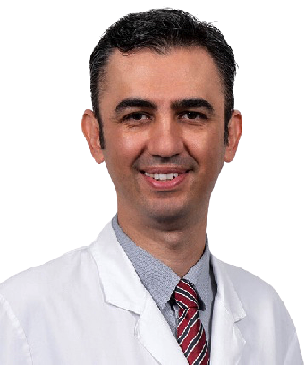
He graduated from Ankara University Faculty of Medicine in 2000 with the 4th rank. He completed his ophthalmology residency at Hacettepe University Faculty of Medicine . Between 2009 and 2011, he completed his master's degree in cornea, ocular surface and refractive surgery at Harvard Medical School in Boston, US. He qualified the title of associate professor in 2012 and Professor title in 2017 . He has performed over 15,000 surgeries in over twenty years.Academic achievements:
He has received numerous national and international awards (ARVO-Asia Travel Fellowship Grant Award, Gazi Eye Foundation 'Best Scientific Paper Award', ARVO Collaborative Research Fellowship Award, ICO Helmerich Fellowship Award, ICO WOC Fellowship Award, Royal College of) Ophthalmologists Best Reviewer Award, Turkish Academy of Sciences Outstanding Young Scientist Award). Koç University established its own research group with the support of KUTTAM, TÜBİTAK, TÜBA and ARVO.Awards, Memberships, Certificates:
- Ankara University Medical School, 4th rank in graduation (2000)
- International Council of Ophthalmology (ICO) “Basic Science Assessment in Ophthalmology including Optics and Refraction” Certificate (2004)
- International Council of Ophthalmology (ICO) “Clinical Science Assessment in Ophthalmology” Certificate (2005)
- Association for Research and Vision in Ophthalmology (ARVO)-Asia 'Travel Fellowship Grant Award' (2007)
- Gazi Eye Association Scientific Award (2008)
- TÜBİTAK ULAKBİM UBYT Awards
- Association for Research and Vision in Ophthalmology (ARVO) 'Collaborative Research Fellowship Award' (2009)
- TOD Glaucoma Symposium Best Oral Presentation Award (2009)
- TÜBİTAK 2219-Postdoctoral Research Fellow Award (2009)
- International Council of Ophthalmology (ICO) 'Helmerich International Fellowship Award' (2010)
- The Turkish Academy of Sciences (TÜBA) 'Outstanding Young Scientist Award' (2012)
- Association for Research and Vision in Ophthalmology (ARVO) 'Developing Country Eye Researcher Fellowship Award' (2015)
- Turkish Ophthalmology Society Scientific Award (2015)
- International Council of Ophthalmology (ICO) WOC2106 Travel Fellowship Grant Award (2016)
- Turkish Medical Association, Most Successful medical doctor of the year (2016)
- Turkish Ophthalmology Association
- Association for Research in Vision and Ophthalmology (ARVO)
- European Association for Vision and Eye Research (EVER)
- American Academy of Ophthalmology (AAO)
- American Society of Cataract and Refractive Surgery (ASCRS)
- European Society of Cataract and Refractive Surgeons (ESCRS)
Specialized Treatments and Surgeries:
- Corneal Transplant
- Complicated Cataract surgery
- Retinitis Pigmentosa Wharton jelly stem cell treatment
- Refractive Laser Eye Surgeries
- Keratoconus Cross-Linking
- Ring therapy
- Hard-hybrid innovative contact lenses
- Dry eye (Autologous serum, IPL, LipiFlow treatment)
- Glaucoma (eye pressure)
Foreign language:
- English
- Turkish
Harvard MEDICAL School
22 Years of EXPERIENCE
>15.000 Surgery
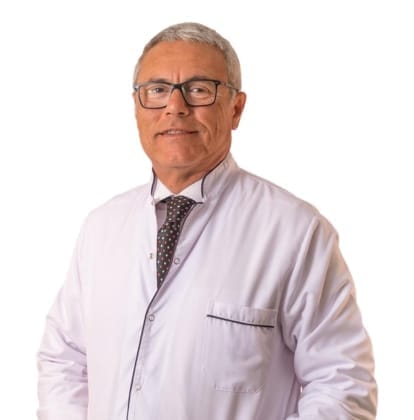
Prof. Dr. Levent Alimgil graduated from Istanbul University Cerrahpasa Faculty of Medicine in 1986 and completed his residency in ophthalmology at Trakya University Faculty of Medicine in 1990. He was appointed Assistant Professor in 1994, Associate Professor in 2001 and Professor of Ophthalmology in 2007 at the same faculty.
He served as Medical Director of the Yeditepe University Eye Research Centre between 2007 and 2009, and as Head of the Department of Ophthalmology at Medicana International Istanbul Hospital between 2009 and 2019. Since 2025 he has been Medical Director of the Nisantasi Hospital Eye Centre.
His clinical practice covers cataract surgery and refractive lens exchange with monofocal, multifocal, trifocal and toric intraocular lenses, phakic ICL implantation, keratoconus management and corneal cross-linking, the medical and surgical treatment of glaucoma including trabeculectomy, and corneal transplantation. He has performed more than 6,000 keratoplasty procedures.
He is a member of the Turkish Ophthalmological Association and of the American Academy of Ophthalmology (AAO). He speaks English and German.
ISTANBUL UNIVERSITY Cerrahpasa
36 Years of EXPERIENCE
>6.000 Corneal Transplants
Patients Reviews
Investing in Your Vision: Why Quality and Transparency Matter in Cataract Surgery
Generally, you might compromise on quality when purchasing a cheap television or standard home appliance. However, your eyesight represents an irreplaceable lifetime asset that is simply not worth the gamble. Specifically, choosing budget cataract surgery often means sacrificing ultra-precise premium intraocular lenses and expert physician experience. Consequently, this sacrifice significantly increases your clinical risks due to substandard medical care and flawed sterile conditions.
Selecting the Right Ophthalmic Clinical Infrastructure
Therefore, when opting for cataract treatment, your highest priority should be selecting a specialized multi-disciplinary hospital. Specifically, you should actively look for a clinic equipped with advanced Femtosecond Laser technology and experienced surgeons. Ultimately, we remind all our patients that they only have two eyes to navigate the world safely. Indeed, your vision remains your most sensitive, critical, and valuable sensory organ throughout your entire life.
Our Absolute Commitment to Cost Transparency
Fortunately, at Smart Laser Eye Center, we never compromise on surgical safety or cutting-edge medical technology. Instead, we offer our advanced cataract procedures through an understandable, fair, and highly structured pricing model. Furthermore, this clear framework includes absolutely no hidden clinical costs or unexpected post-operative fees. Consequently, this honest approach makes premium cataract surgery truly transparent, predictable, and highly accessible for everyone.
The True Freedom of Life Without Glasses or Cataracts
Initially, consider the lifetime accumulated expenses of constantly purchasing stronger reading glasses, bifocals, and expensive solutions. In addition, think about the daily visual frustration of living with cloudiness, faded colors, and poor night vision. Beyond this heavy financial burden, you must also consider the deeply restrictive impact that progressive cataracts have on your independence. Consequently, blurry vision routinely damages your driving safety, reading comfort, and overall quality of life.
Unlocking an Active Lifestyle with Premium IOL Lenses
Imagine, instead, the absolute freedom of driving safely at night without experiencing blinding glares or halos. Similarly, you can enjoy reading books, cooking, and watching television without constantly searching for your glasses. Fortunately, advanced cataract surgery utilizing premium multifocal or trifocal lenses safely unlocks this active, barrier-free lifestyle. Subsequently, you can permanently restore your youthful visual acuity and see the world in vivid detail again.
A Smart Long-Term Investment in Your Future
By eliminating the ongoing expenses of prescription eyewear, modern cataract surgery easily pays for itself over time. In fact, choosing premium vision correction acts as a smart, highly rewarding long-term investment in your future. Our proprietary RLES AI® decision-support software is used to cross-check each treatment plan before surgery; the treatment decision itself rests with your surgeon, and our medical team plans every treatment individually. Ultimately, we calculate the exact cost per eye transparently to guide you toward true visual freedom.